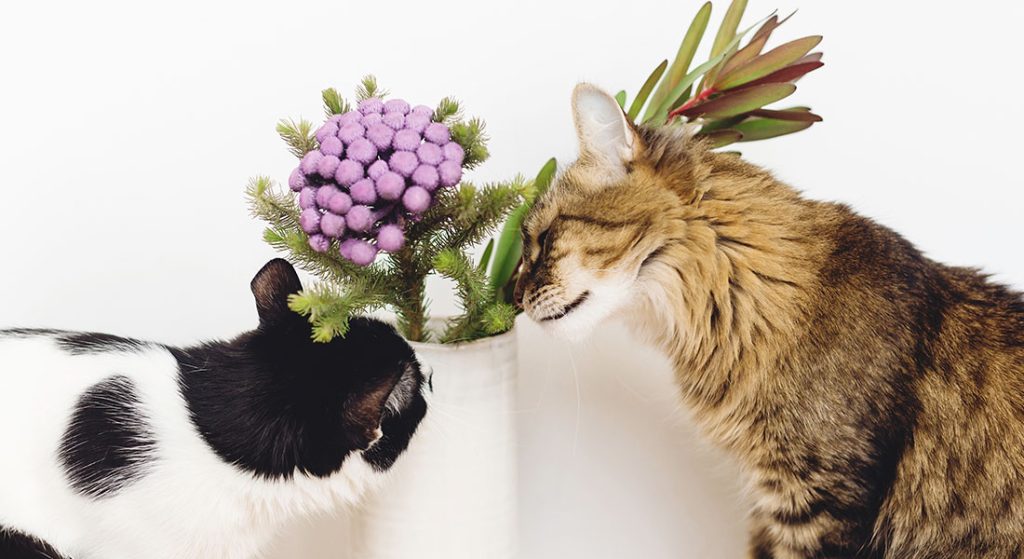
If you share your home with furry family members, you know how much joy (and sometimes chaos) they bring! From zoomies across the living room to cozy purrs on your lap, pets turn a house into a home. And if you’re like many animal lovers, you’ve probably added a few houseplants to make your space greener and more inviting.
But some of that beautiful greenery can be harmful (even toxic) to cats and dogs. Something as simple as a curious nibble or playful paw-swipe can lead to upset stomachs, drooling, or worse.
Here are seven popular houseplants that can be highly toxic to your pets, along with suggestions for safe alternatives that have a similar vibe.
Aloe Vera
Aloe is often praised for its skin-soothing gel and low-maintenance nature, but it’s not as gentle to pets as it is to people. The latex part of the plant contains saponins and anthraquinones, which can cause digestive distress and lethargy if eaten.
Safe Alternative: Haworthia succulents. These petite, spiky plants resemble aloe but pose no harm to pets. They’re perfect for sunny windowsills and require minimal watering.
Kalanchoe
With its vibrant, long-lasting blooms, kalanchoe (Kalanchoe blossfeldiana) is a cheerful sight on any windowsill or tabletop. However, it contains compounds called bufadienolides, which can cause vomiting, diarrhea, and (if eaten in large amounts) heart rhythm issues in pets. While tempting to keep around for their flowers, it’s best to admire these plants in a pet-free space.
Safe Alternative: African Violet (Saintpaulia). These charming, low-growing plants offer colorful, velvety blooms that brighten any room without posing a risk to your curious companions.
Philodendron
Whether climbing or upright, philodendron varieties are popular for their lush, tropical appearance. Unfortunately, they’re another calcium oxalate offender. If ingested, they can irritate a pet’s mouth and tongue, causing drooling or vomiting.
Safe Alternative: Areca Palm. This elegant, feathery plant adds volume and tropical charm without the toxicity. They can grow tall, helping you safely bring those fun jungle vibes into your home.
Peace Lily
Elegant, easy to care for, and beloved for glossy leaves and white blooms, the peace lily (Spathiphyllum) is a staple in many homes. Sadly, this plant contains calcium oxalate crystals that can cause drooling, mouth irritation, and difficulty swallowing if ingested by pets. Cats are especially curious about the sway of those broad, shiny leaves.
Safe Alternative: Try a Bromeliad. With their tropical flair and colorful rosettes, bromeliads bring the same lush, exotic feel to your space as lilies without posing a risk to pets. Plus, they thrive in similar indirect-light conditions.
Pothos
Known for its resilient nature and trailing vines, pothos (also called “devil’s ivy”) is a Pinterest favorite for a reason! But its leaves are toxic to both dogs and cats, leading to oral irritation, vomiting, and drooling if chewed – a heartbreaker for pet parents who love hanging plants.
Safe Alternative: Swedish Ivy (Plectranthus verticillatus). This fast-growing plant features cascading vines and round, bright-green leaves that resemble pothos, but it’s completely non-toxic to pets and just as easy to care for.
Snake Plant
Low maintenance and nearly indestructible, the snake plant (Sansevieria trifasciata) is a common choice for indoor gardens. However, despite its air-purifying abilities, it contains saponins that can cause nausea, vomiting, and diarrhea in pets.
Safe Alternative: The Cast Iron Plant (Aspidistra elatior) can handle low light, irregular watering, and even a little neglect. It’s visually similar to the snake plant’s upright leaves but completely safe for dogs and cats.
ZZ Plant
The ZZ plant (Zamioculcas zamiifolia) is adored for its glossy leaves and the ability to thrive in just about any indoor environment. Sadly, it’s toxic to pets if ingested, causing irritation and vomiting.
Safe Alternative: Parlor Palm (Chamaedorea elegans). This checks all the boxes – air-purifying, shade-tolerant, and pet-safe. Lending a graceful tropical feel to any space, the parlor palm has become a staple in pet-friendly homes.
Greenery Without the Worry
The best home is one where every living thing – two-legged, four-legged, and leafy! – thrives together. By choosing the right plants, you can enjoy a vibrant, beautiful indoor garden without risking your pets’ health.
Need a helping hand keeping your furry friends safe and cared for while you’re away? Enjoy peace of mind knowing they’re in good hands with our loving, experienced pet sitters and dog walkers. Contact Peak City today!